The sail down the coast to Dakar from La Palmas, Gran Canaria, was fast and painless but relatively tiring since we traversed the shipping lanes the whole way. This just puts you on edge, checking the radar or AIS screen regularly at night. It isn’t like sailing across an ocean when you may only see a couple of ships the entire way. You need to be alert all the time even if you are still 100 miles off shore. Equally we didn’t want to get too close to Mauritania through fear of the unknown. As it happens, apparently it is a safe country and welcoming.
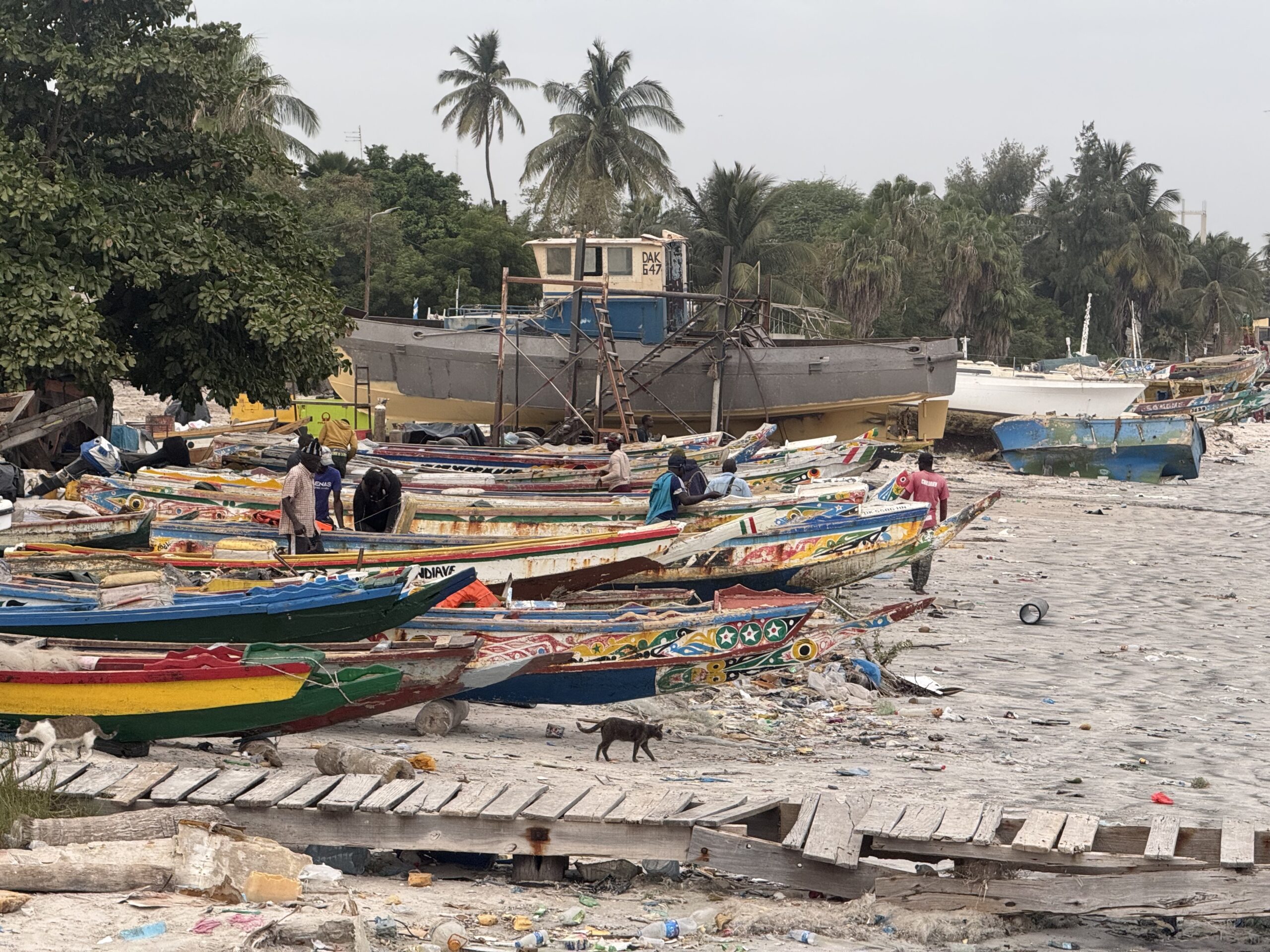
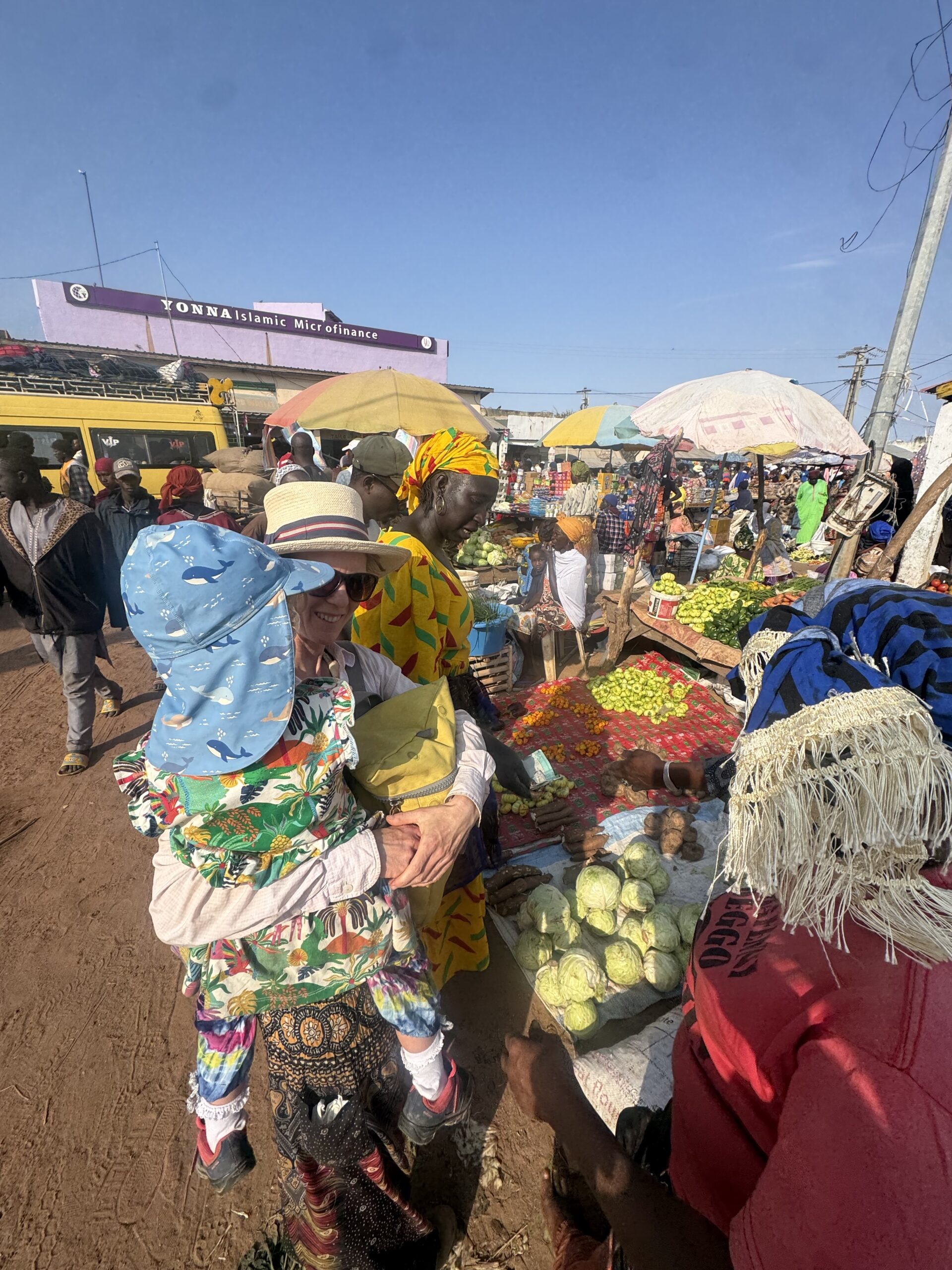
We arrived into Dakar in daylight dodging fishing nets for a few hours before dropping anchor in a sheltered bay. Going ashore we felt it was a safe and vibrant place. I had images of being hassled and always on the lookout, but that fear was misplaced. We stayed a few days exploring some markets and a famous slave trade island. The cultural and emotional damage of the slave trade is still very much felt there.
Either way we only spent a few days as the main reason we were in Senegal was the spectacular Sine Saloum Delta! It took a couple more days to sail along the Senegalese coastline to enter the delta.
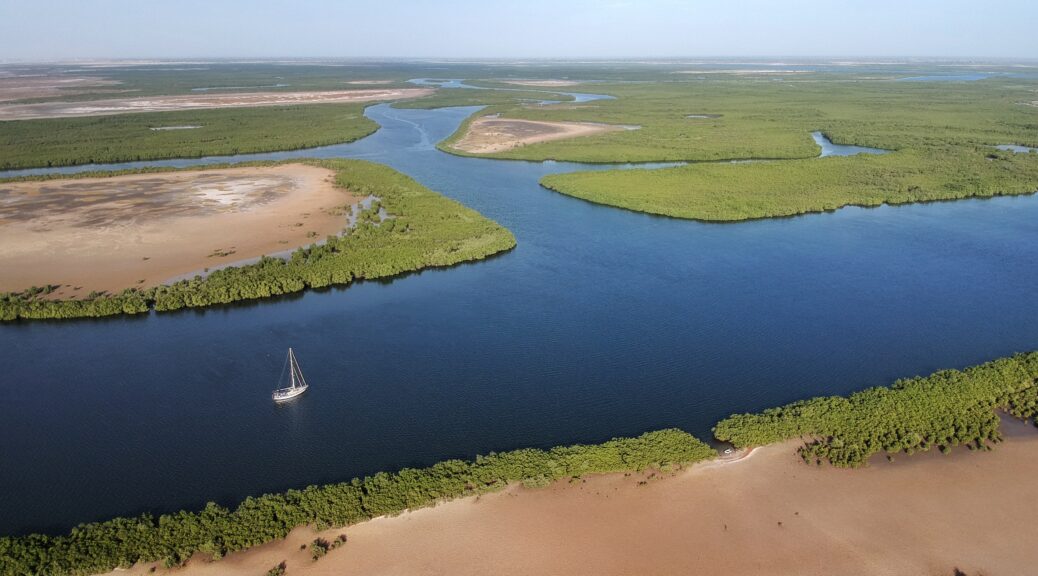
The Sine-Saloum Delta feels like a world deliberately left off the main routes. For cruising sailors used to busy marinas and crowded anchorages, this place offers something increasingly rare: space, silence, and the sense that you’ve slipped into a slower rhythm of life.
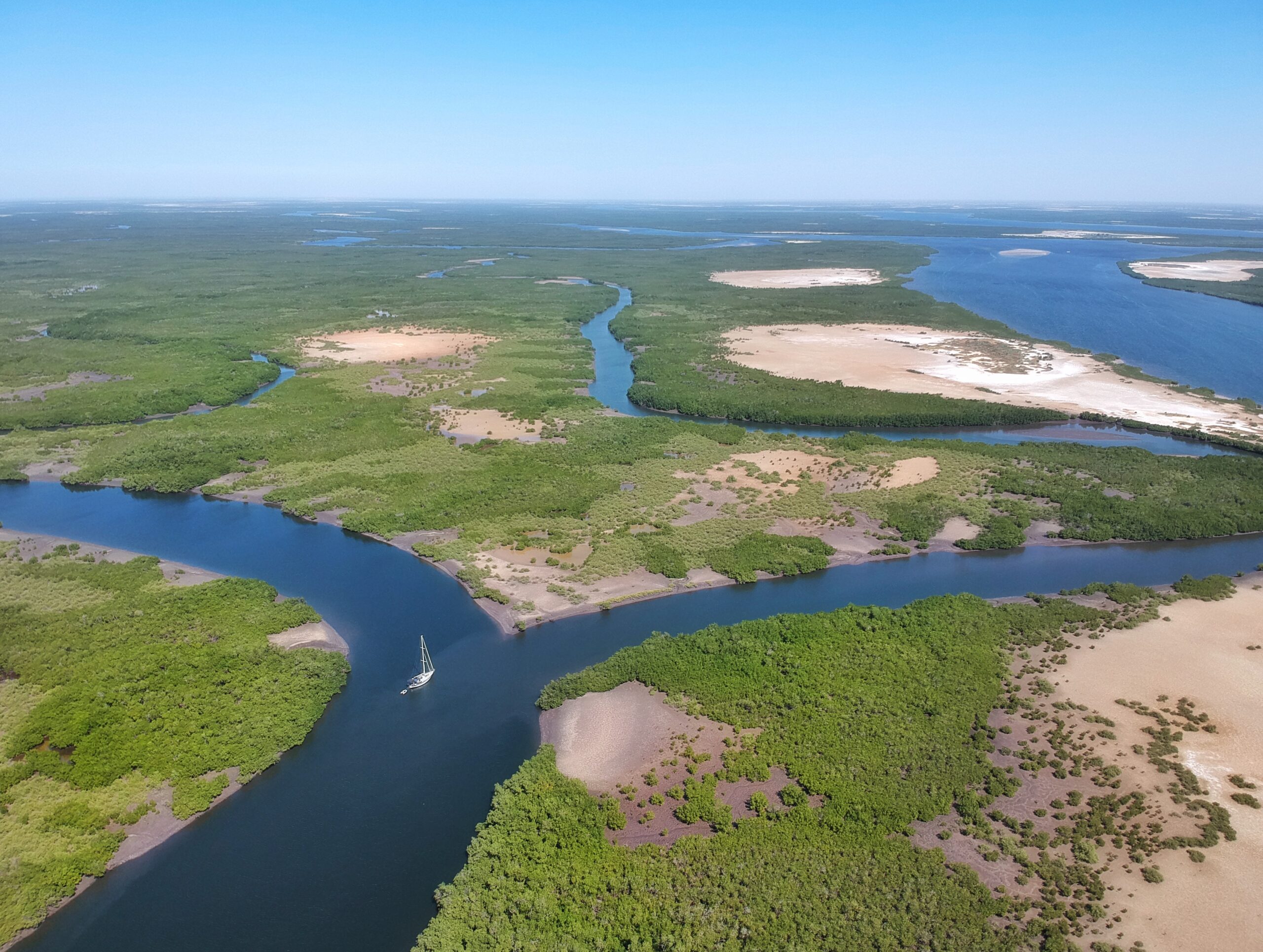
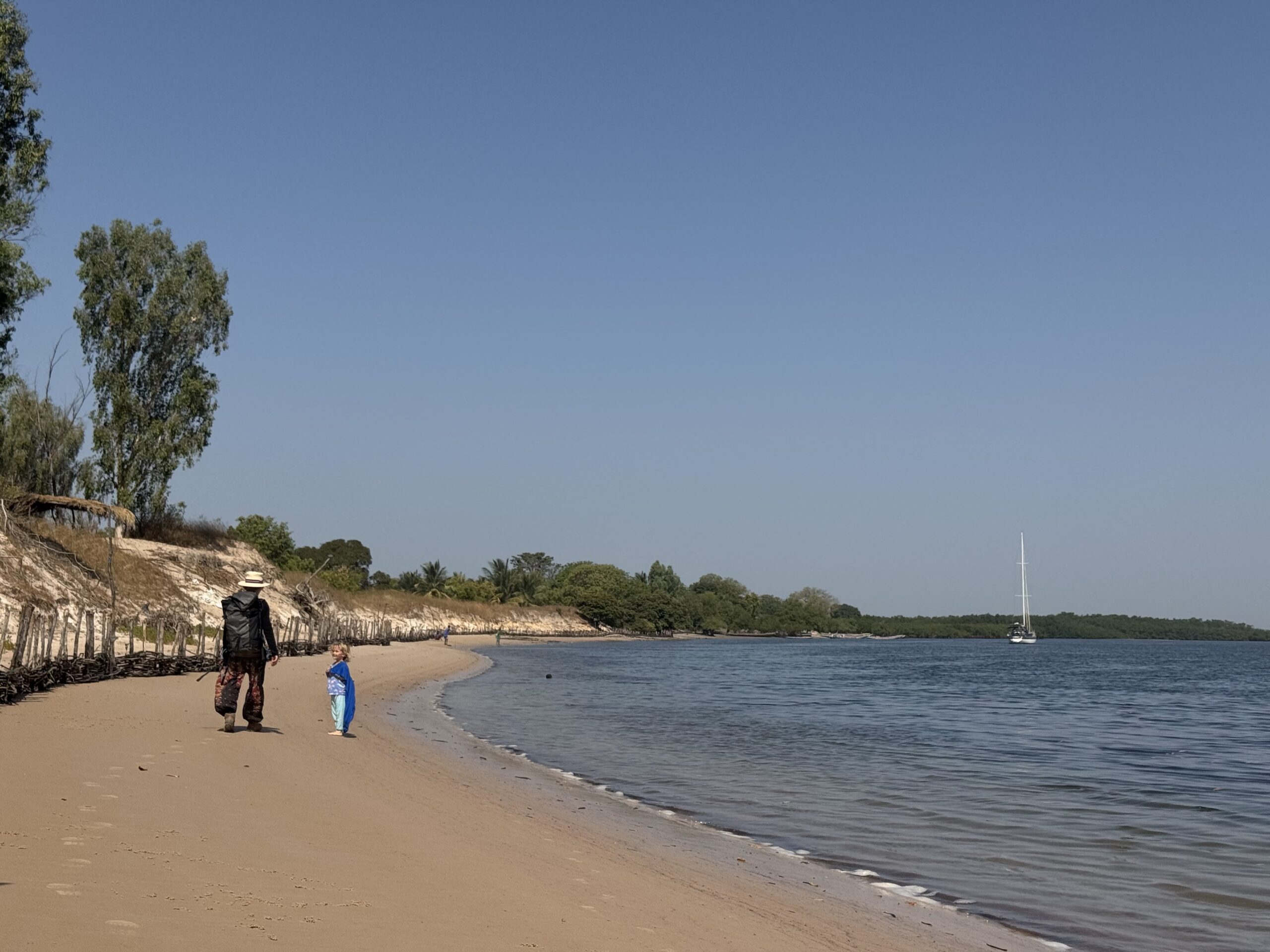
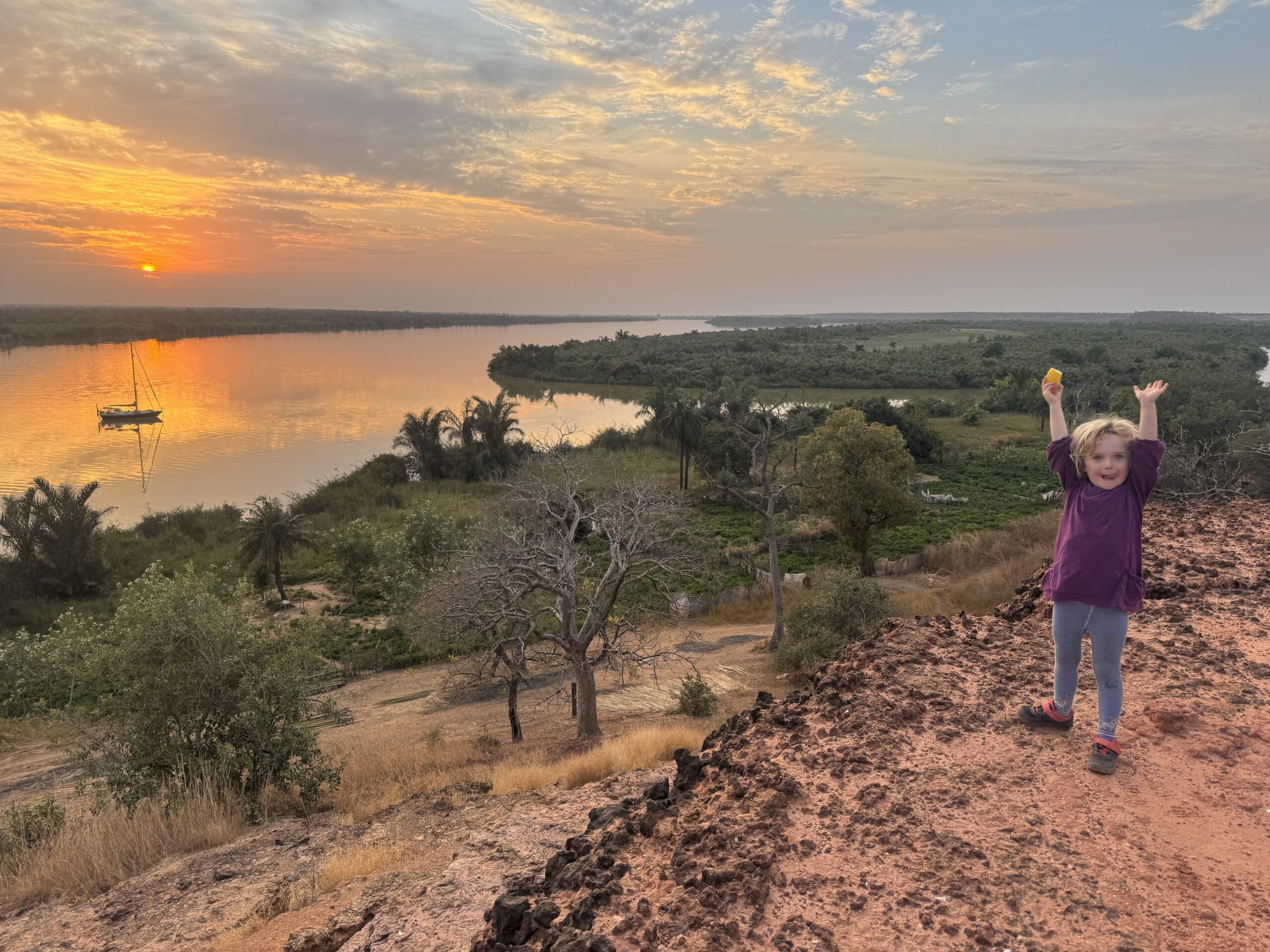
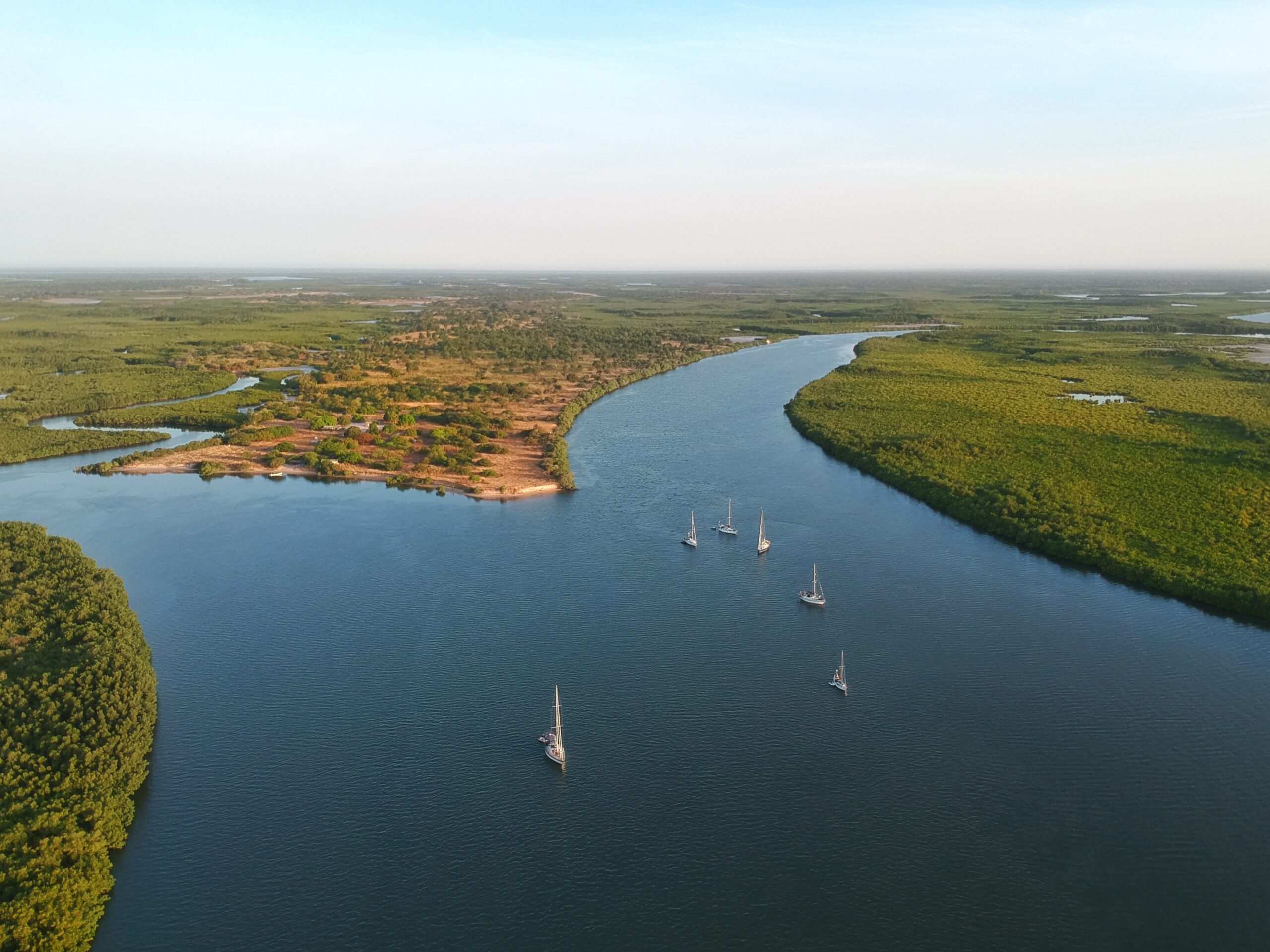
The delta is a labyrinth of winding waterways, mangrove channels, and low-lying islands. Under sail or motor, you weave between sandbanks and palm-fringed shores, often without seeing another yacht for days or not at all. Anchorages are plentiful and beautifully protected—flat water, minimal swell, and soft mud holding. Nights are especially memorable: no light pollution, just a sky thick with stars and the distant sounds of drums or village life drifting across the water. For anyone with even a passing interest in wildlife, the birdlife alone is worth the journey. The delta forms part of the Saloum Delta National Park, a UNESCO-listed biosphere reserve.
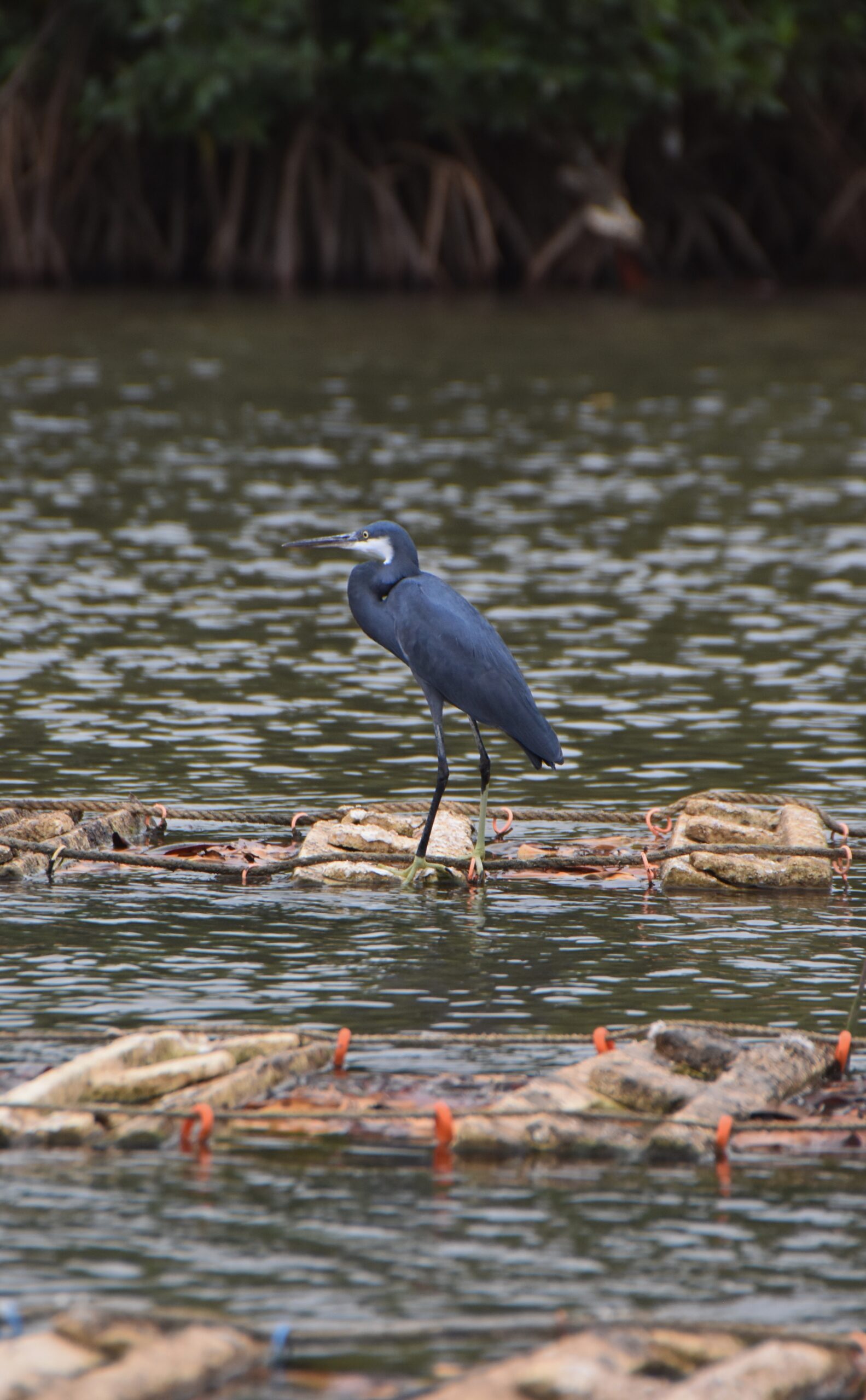
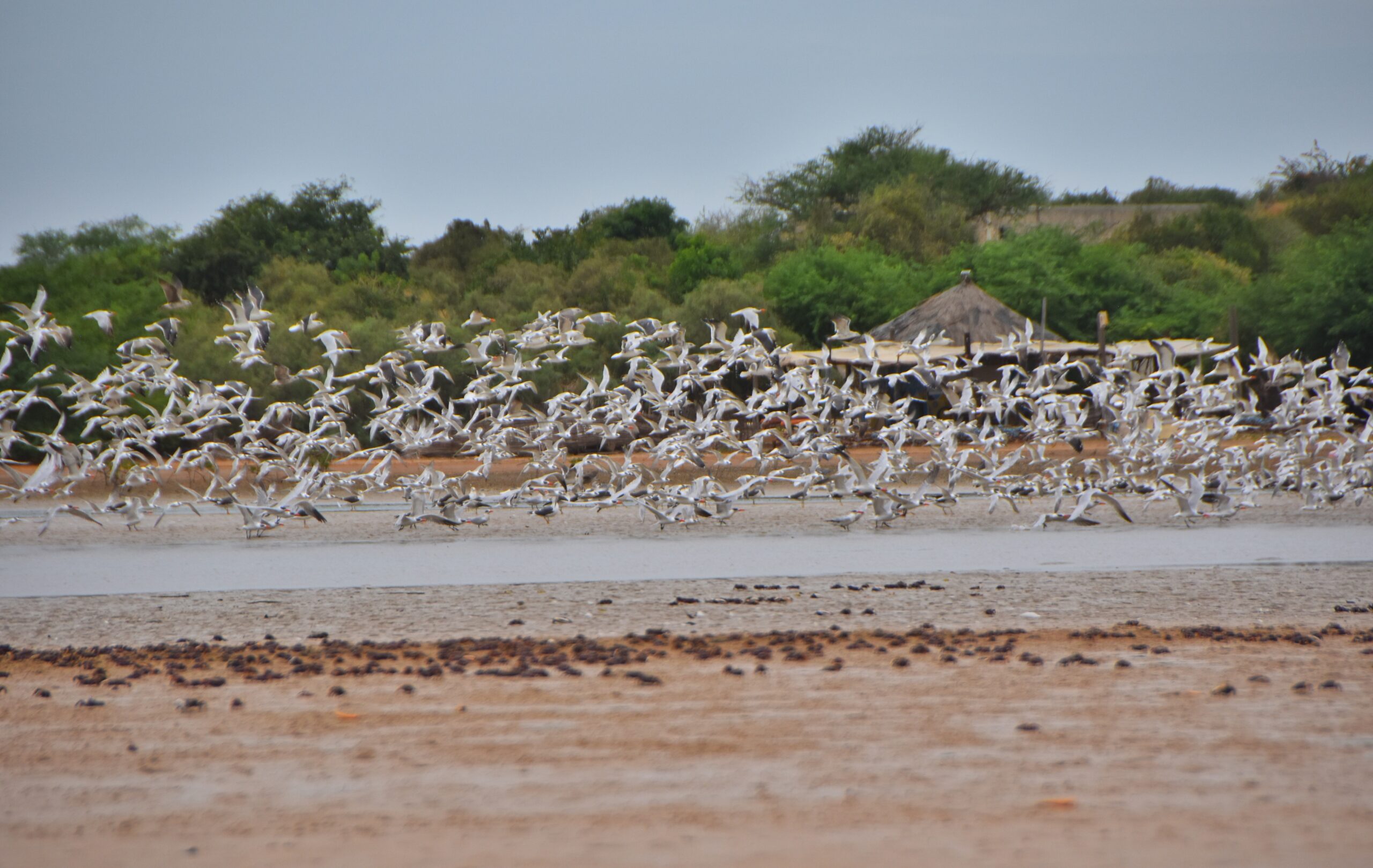
Dawn and dusk bring a constant procession of movement—pelicans gliding low over the water, kingfishers flashing electric blue along the creeks, and fish eagles calling from the treetops. It’s the kind of place where binoculars become as essential as your chartplotter. I’d recommend investing in the best you can afford before visiting!
The sailing itself is gentle and forgiving. Tides shape your movements, but currents are manageable and the waters inside the delta remain calm compared to the open Atlantic just beyond the bar. It’s ideal for pottering—short hops between anchorages, exploring side channels by dinghy, or simply drifting and soaking it all in. If you go aground in the mud, don’t worry! Just back up and try to find the channel again. You always get through in the end!
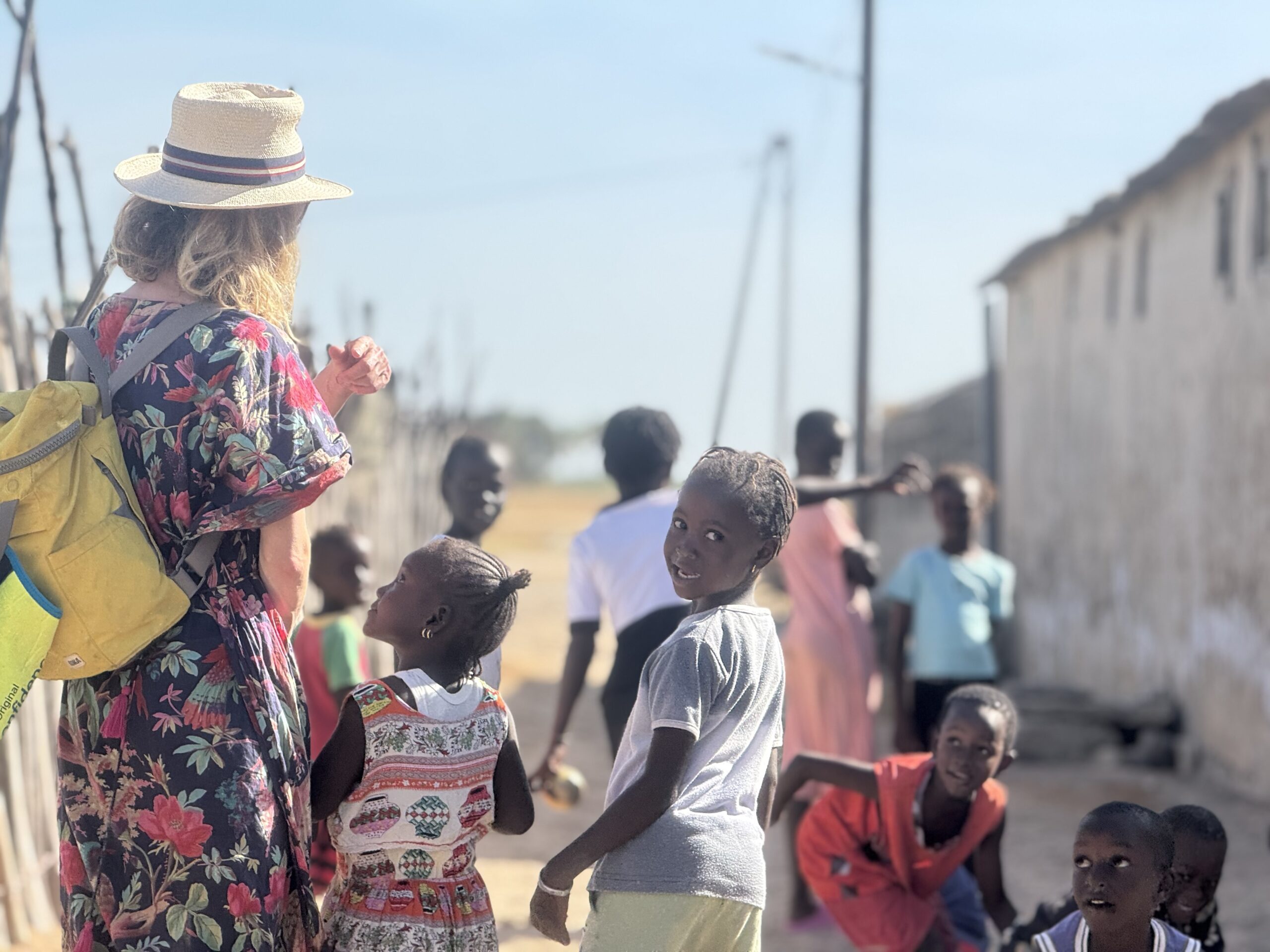
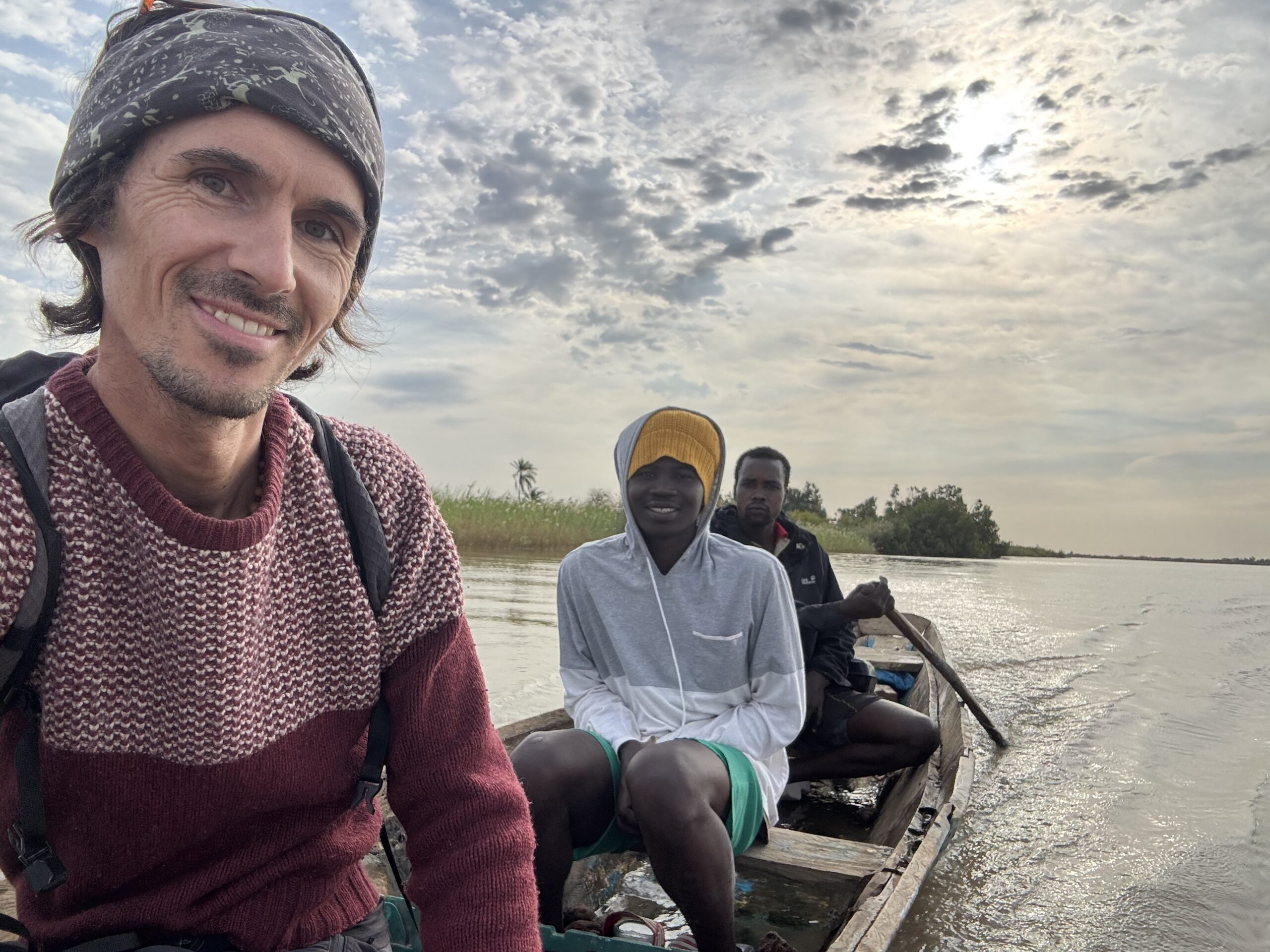
What truly sets the Sine-Saloum apart, though, is the human landscape. The delta is home to Serer people and other communities who have lived here for generations, largely sustaining themselves through fishing, oyster harvesting, and small-scale agriculture. Life is lived close to the water: wooden pirogues setting out at first light, nets being mended in the shade, children paddling dugouts between islands.
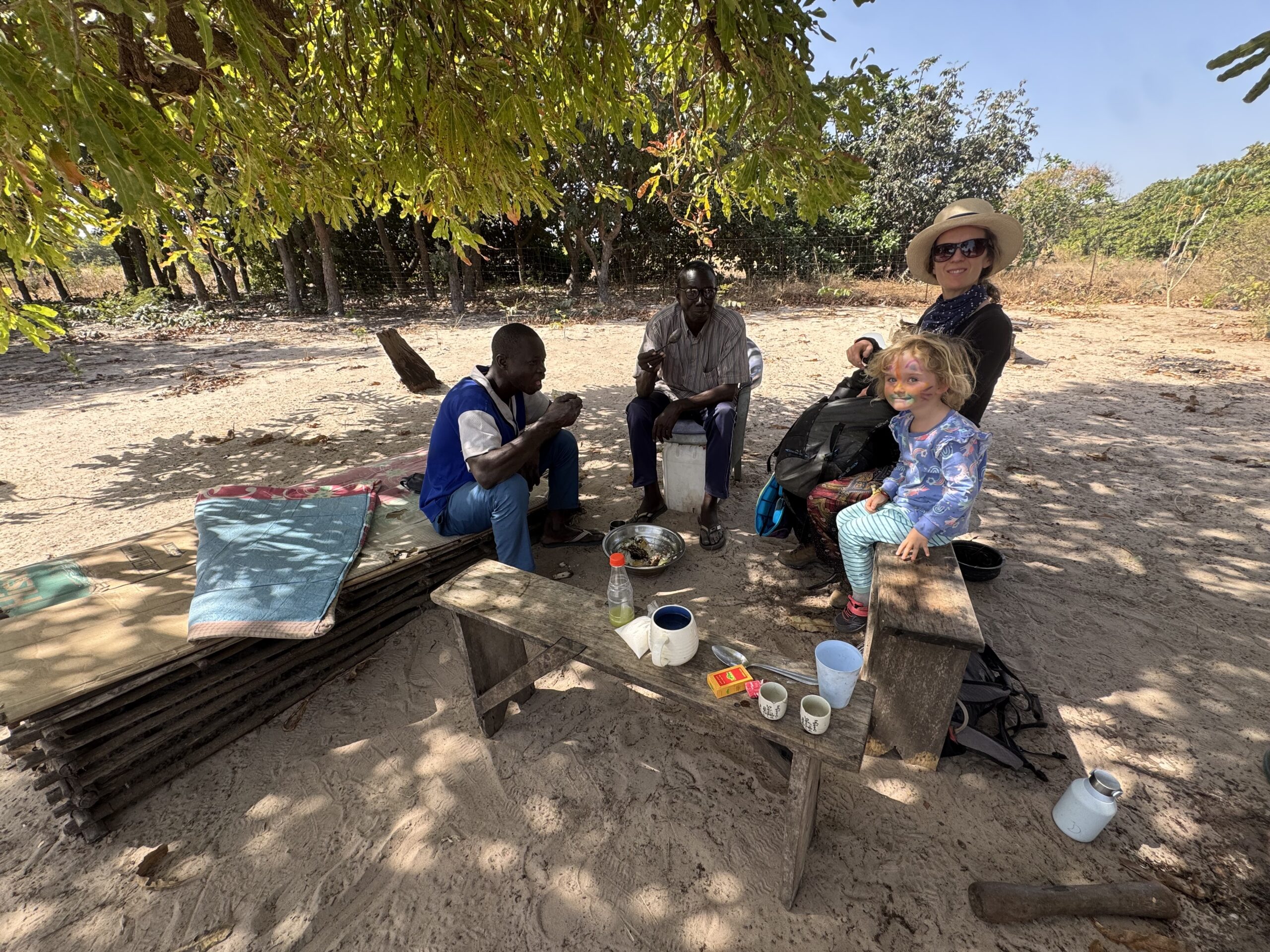
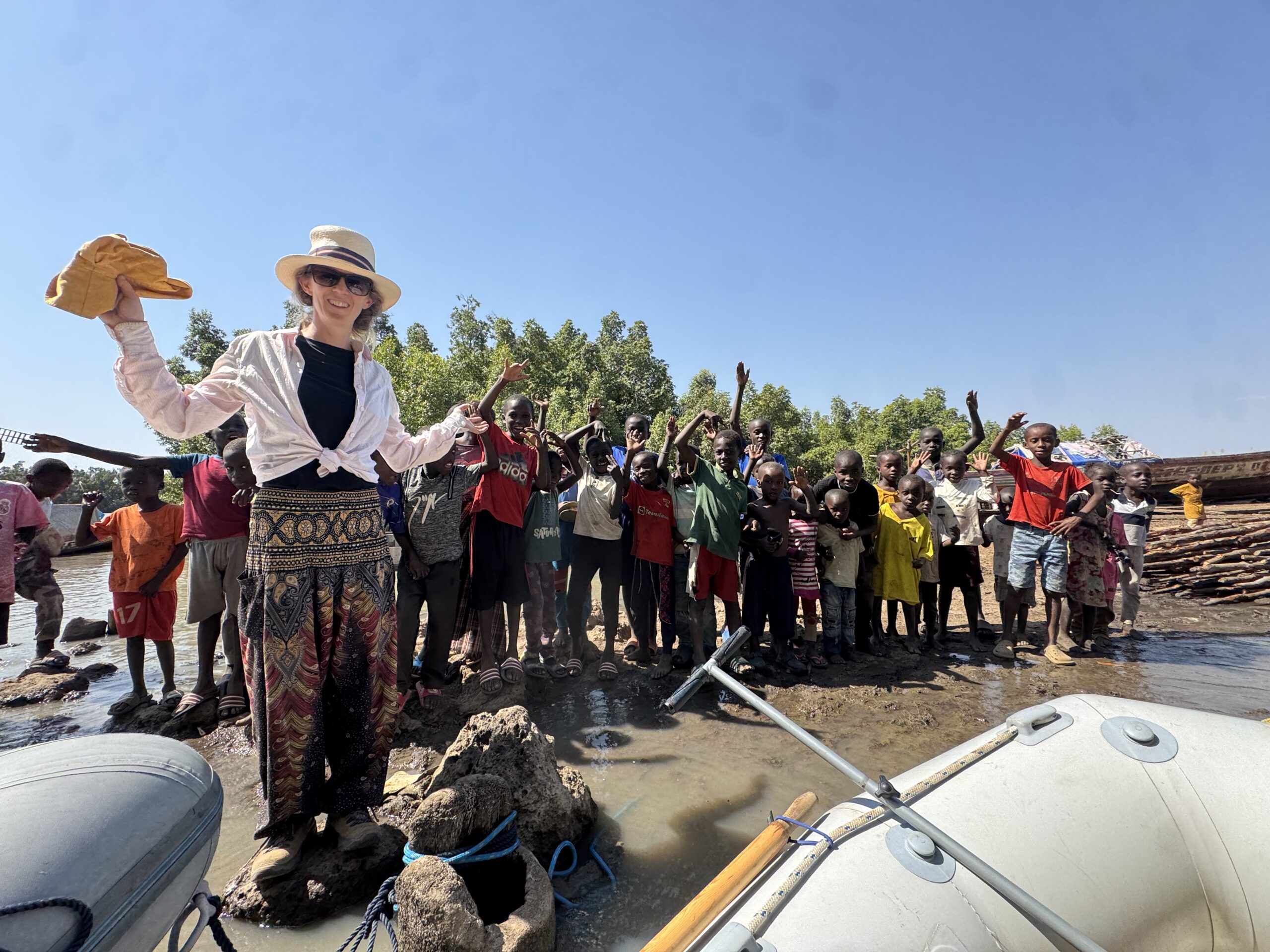
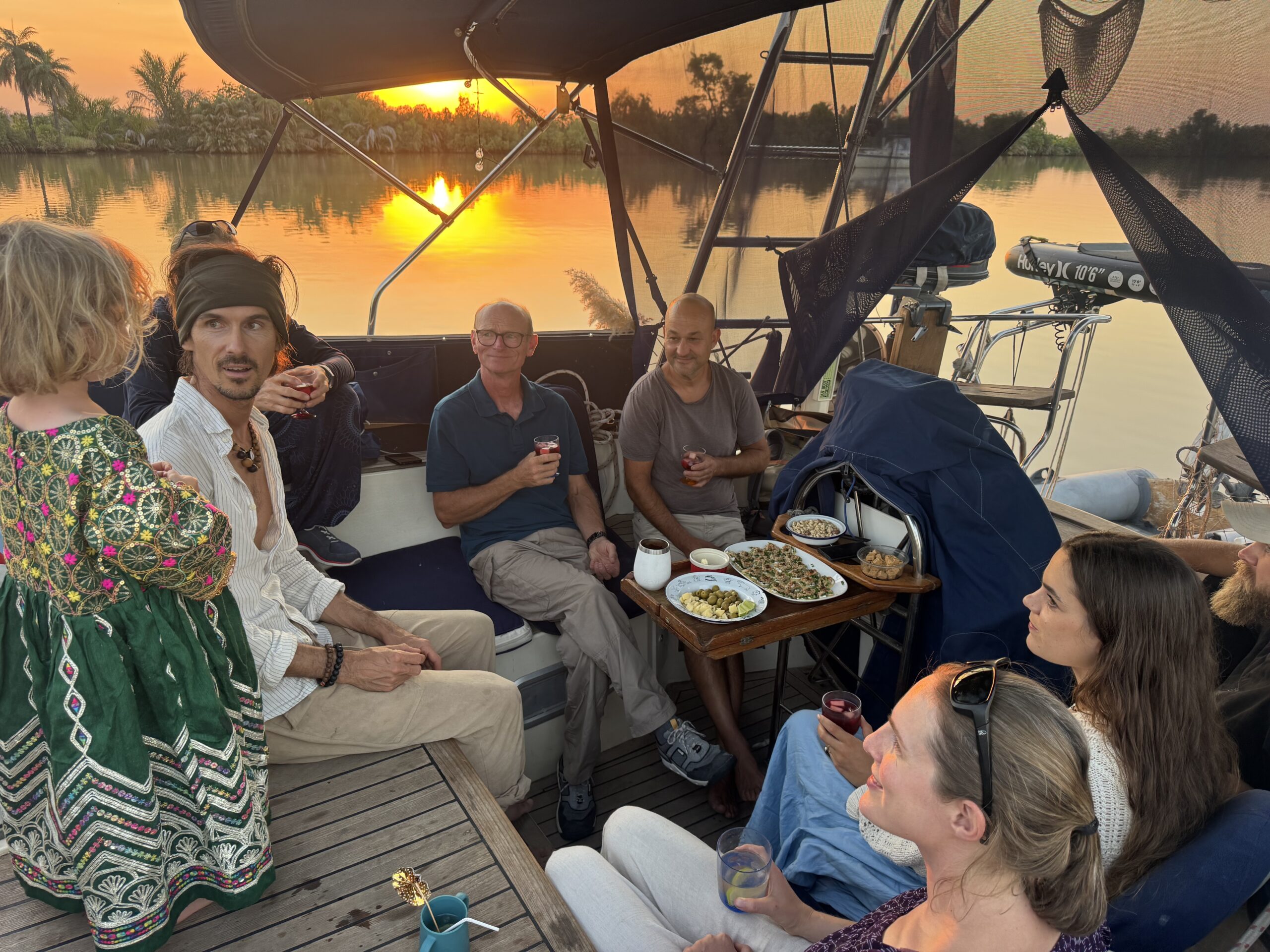
Visitors are often struck by the warmth of the people — simple, genuine hospitality. There are no glossy resorts here; instead, you’ll find small villages where a visit ashore might mean sharing tea, buying freshly caught fish, or watching traditional music and dance unfold under the trees. The culture feels intact, not staged—rooted in daily life rather than tourism. Now here is the trick! You DO NOT have to go all the way back to Dakar to stamp out of Senegal. It is this which deters some people form ever visiting Senegal. The last village you visit will be Toubakouta, an amazing place with provisions, a good anchorage, water and a vibrant safe feel.
From here you take a taxi to the border and stamp out there, returning to the boat in Toubakouta. A local can help you explain to the police that you’re on a boat and need to go back to your boat
before departing.
From here you leave the delta and either go to Gambia, cross the Atlantic directly or sail to Cape Verde. If going to Gambia it is very straightforward and you immediately enter the Gambia River
after leaving the delta. Head directly for Lamin Lodge and use the agent Mohammed for immigration and customs since it isn’t as straightforward as in Senegal.
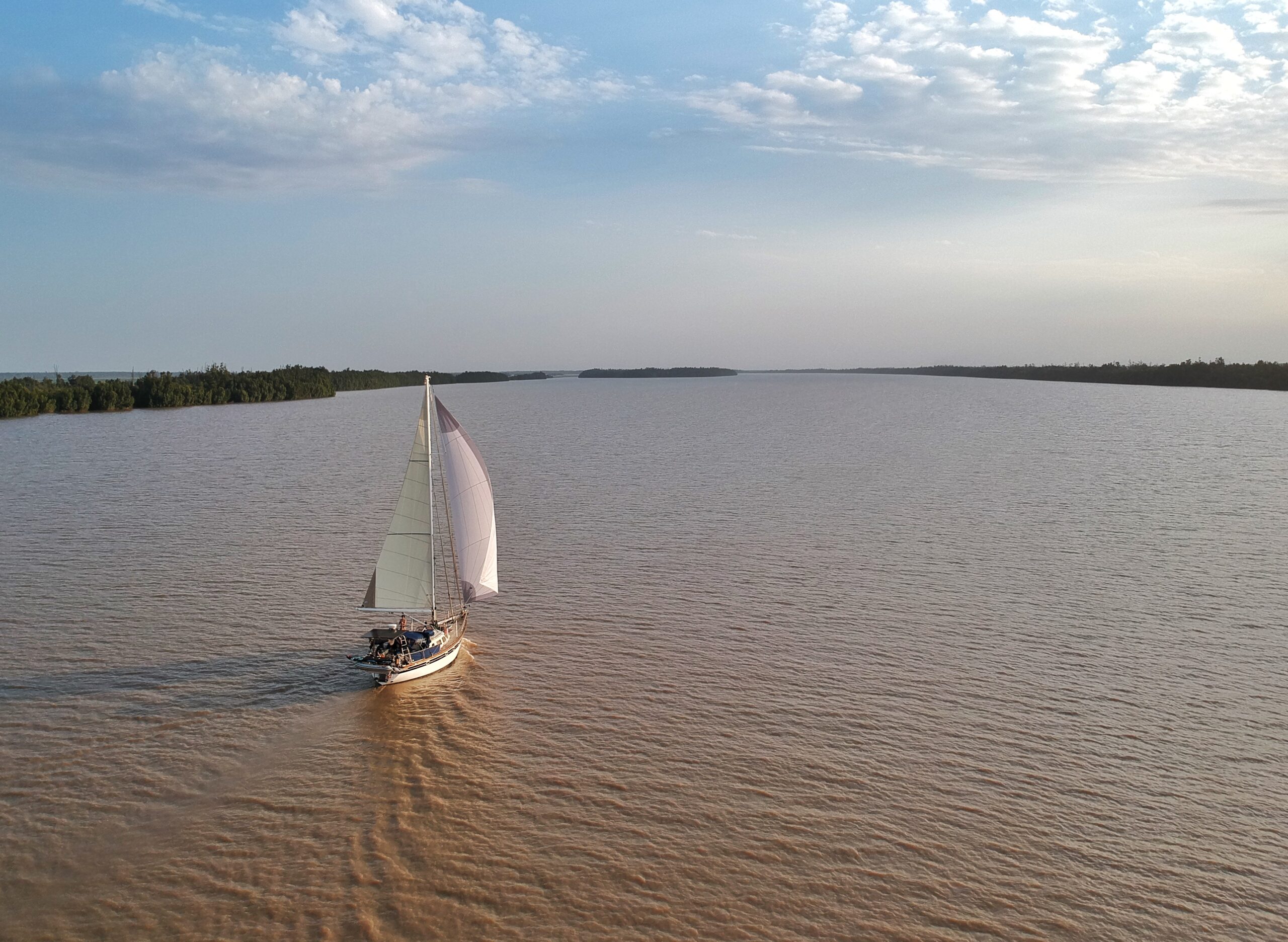
From the moment you leave the bustle of the coast near Banjul, the mood shifts. The river widens into a broad, calm highway of brown-green water, fringed by mangroves and low forest. There’s no rush here—no swell, very little traffic, and a sense that you can simply… wander. For sailors used to hunting for the “right” anchorage, the Gambia feels refreshingly easy: you can anchor almost anywhere. The holding is good, the banks are soft, and the atmosphere feels relaxed and safe, even for extended stays.
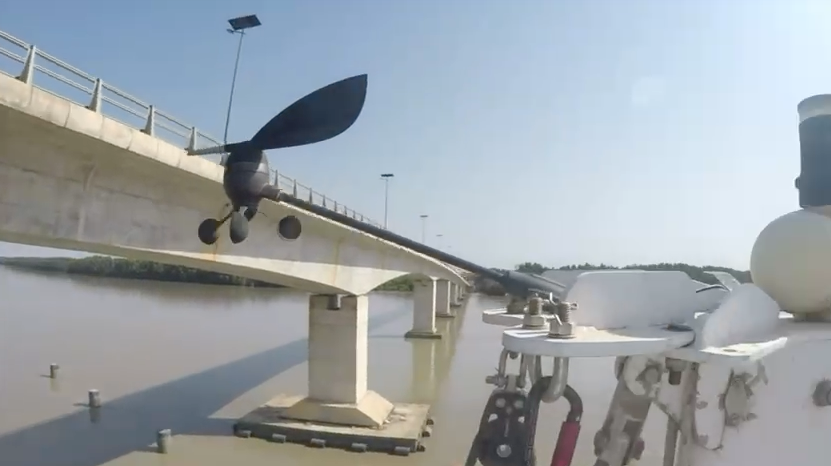
One practical waypoint shapes how far many yachts go: the Senegambia Bridge. With an air draft of about 20 metres, it sets a natural limit for taller rigs—but for many cruising boats, it’s passable, opening up a quieter, less-travelled stretch of river beyond. Our air draft is 20m so we approached slowly, at low tide and against the current. I went up the mast to remove the VHF antenna which was necessary! We passed with around 20cm clearance and I touched the underside of the bridge!
On the way back down river, it was not so straightforward since the current runs downstream at low water. As such we want through backwards to give us a better chance of escape if we could clear underneath!
Above the bridge is where the real magic begins, but if a boat with an air draft greater than 20m, asked me if it was worth visiting The Gambia, knowing they couldn’t go further up than the bridge, I still think I would recommend going. There are many things to be enjoyed below the bridge and the bird life is still very very impressive.
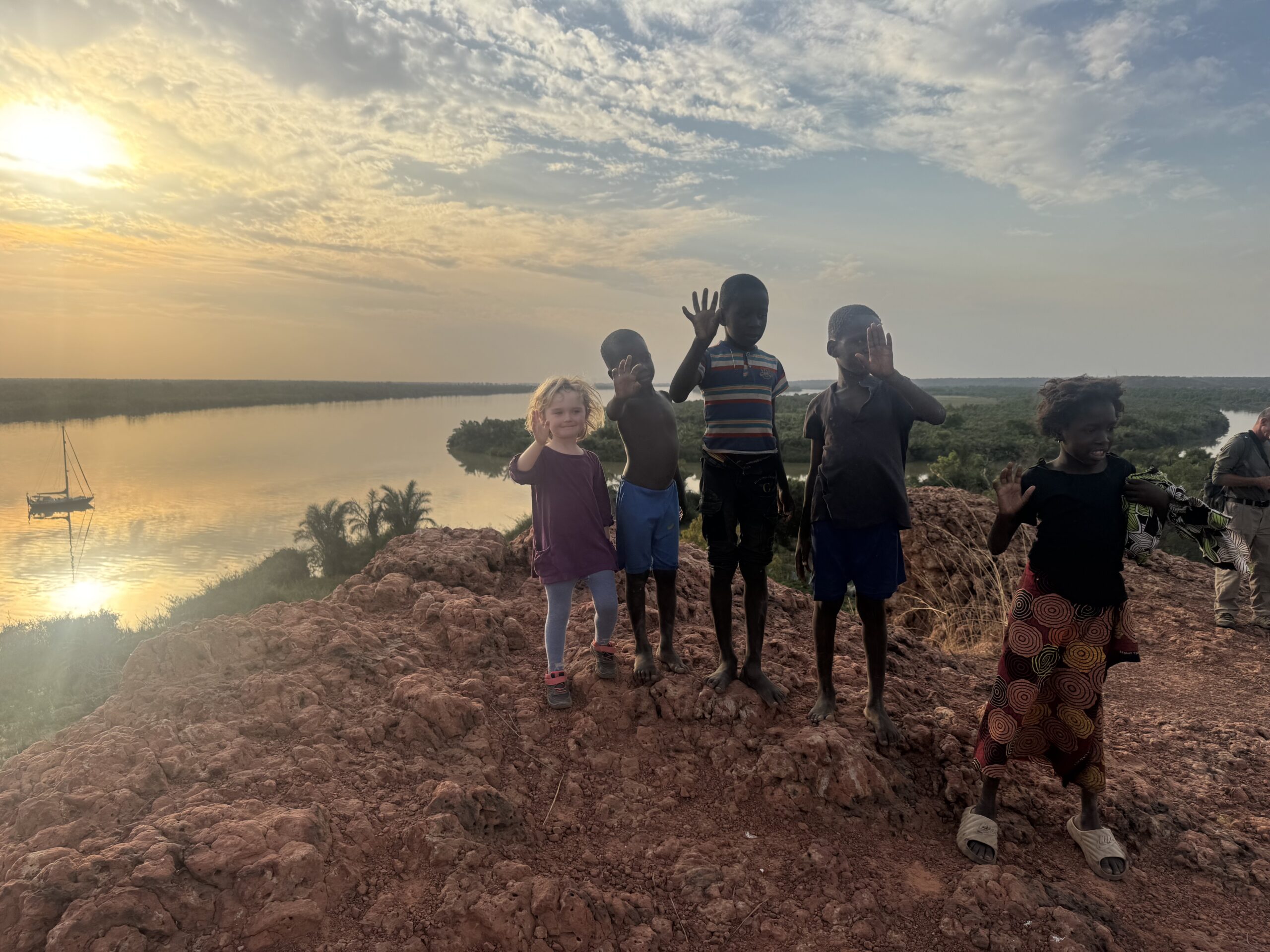
As you push further inland, the water gradually loses its salinity and becomes fresh. With that change comes a noticeable shift in wildlife. The mangroves thin, replaced by taller trees and more open banks—and suddenly the river feels wilder, more alive. Birdlife intensifies: fish eagles calling overhead, herons stalking the shallows, kingfishers darting like flashes of colour. You may spot troops of monkeys along the banks, and if you’re patient (and lucky), glimpses of hippos or crocodiles further upriver.
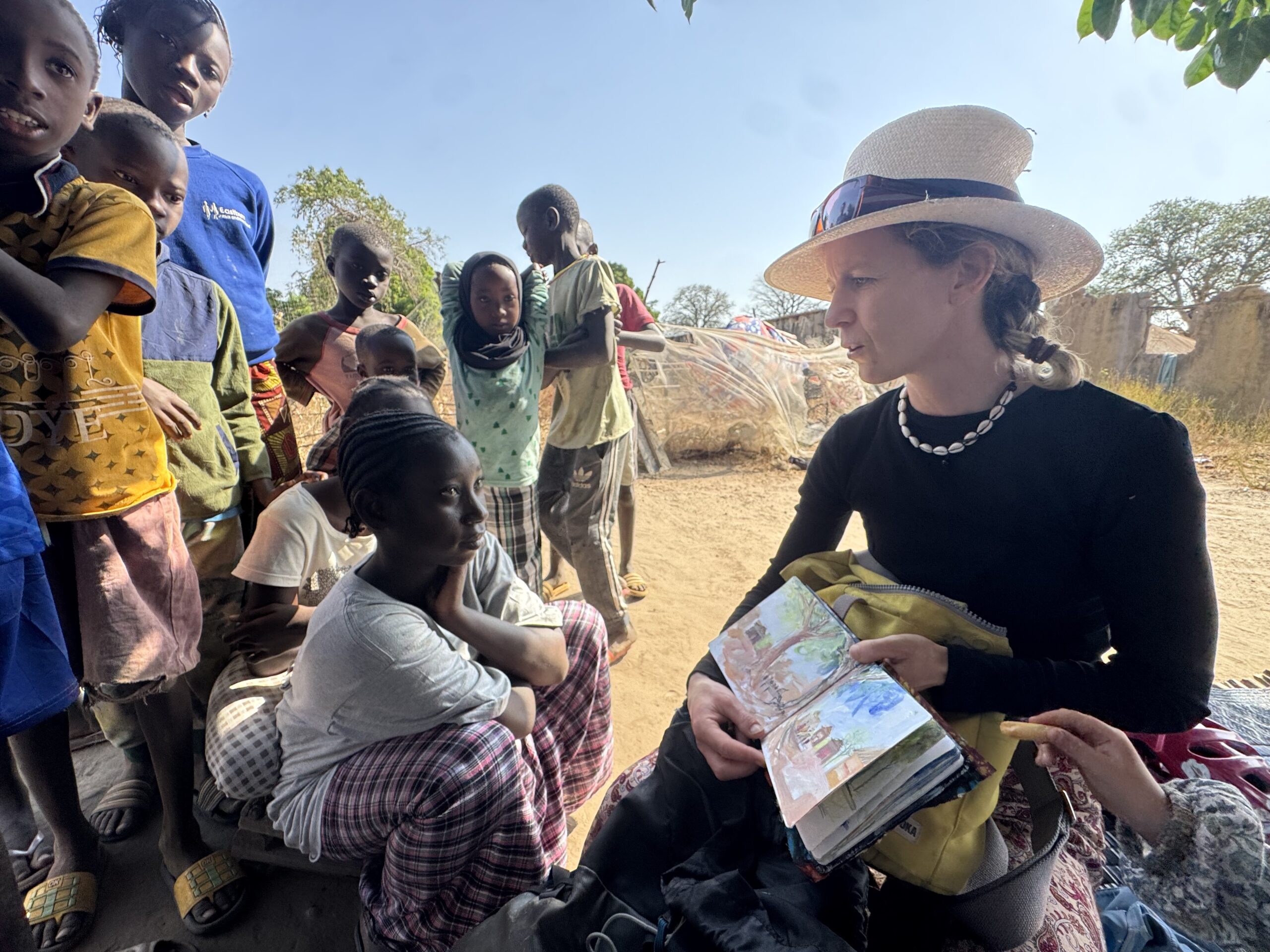
The pace of life along the river is deeply tied to it. Villages appear intermittently—clusters of huts shaded by baobabs, dugout canoes pulled up on the mud, fishermen working nets much as they have for generations. This is not a polished tourist corridor; it’s a working river, where people live largely from fishing and small-scale farming. Going ashore often feels informal and genuine— curious smiles, waves from children, and the occasional invitation to sit, talk, or share tea.
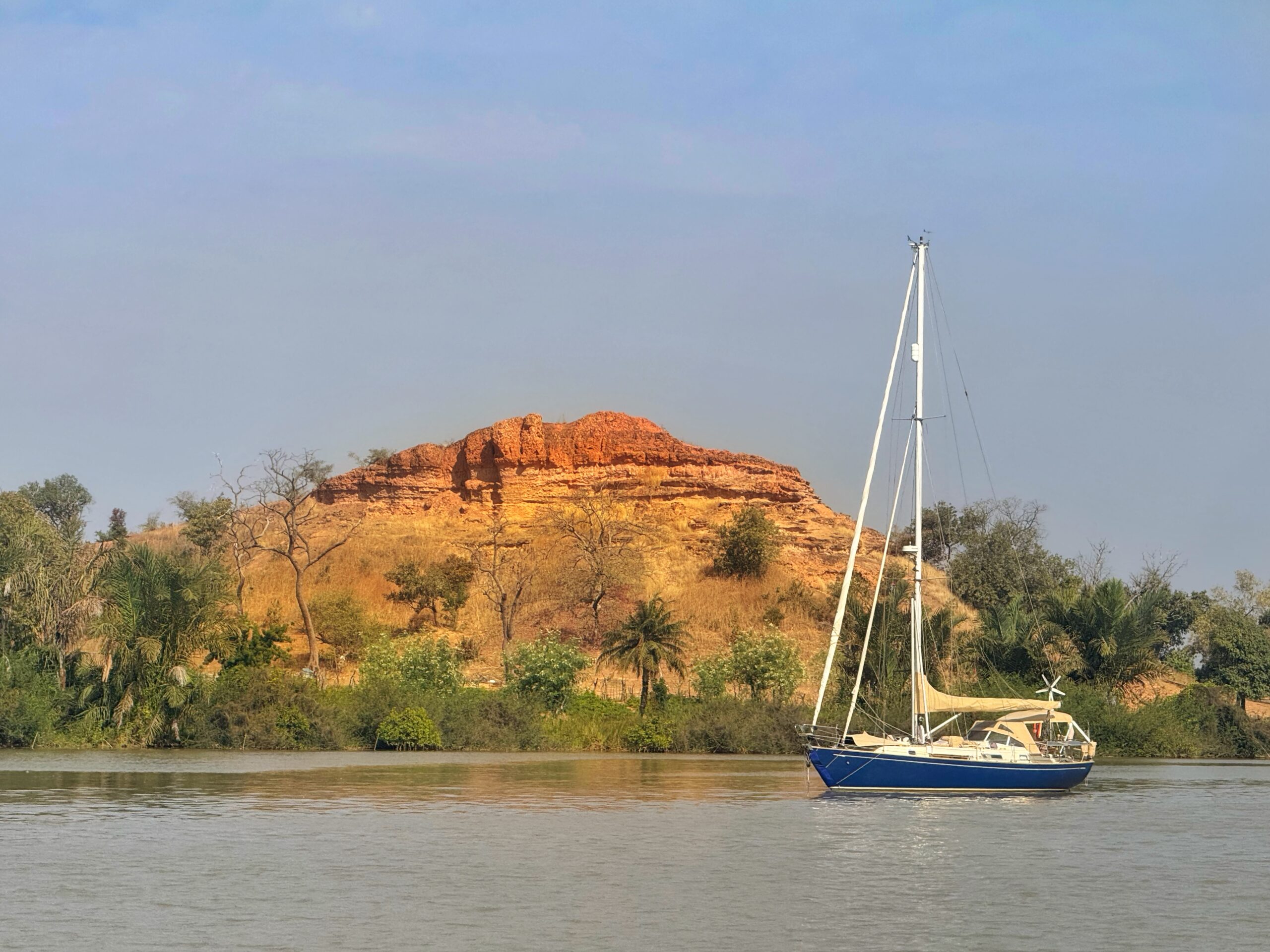
For sailors, the appeal is as much about the feeling as the scenery. Days pass in a gentle rhythm as you go upstream: short motors or sails with the tide, and evenings anchored in complete stillness. What makes the Gambia River special isn’t any single “must-see” sight. It’s the accumulation of small moments and a sense of exploration that still feels genuine, accessible, and safe, without sacrificing comfort. One piece of advice I’d give, is to extend your stay. You get 30 days when you check in with immigration. But it is possible to go to the frontier with Senegal at the Senegambia Bridge. Leave the boat anchored and take a 30 minute taxi or ride in a truck to the boarder. Extend your visa and then continue back down towards Banjul. We wish we had done this, since 30 days does feel like a bit of a rush to complete the entire journey to Janjanbureh (formerly Georgetown).
Finally I would recommend you take anti-malaria tablets, use a super sized mosquito net in the cockpit and all hatches, and carry some jerry cans to refill with water. Water from the villages is
clean and drinkable, thanks to many new ground water pumps installed by private companies or governments as part of their CSR initiatives. You can’t run your water maker in the rivers so
remember to pickle them at sea before entering the delta or the Gambia River. If you need any further advice on cruising Senegal and Gambia feel free to reach out to us or contact OCC member Nicky Barker on Blue Velvet as she is writing the 2026 update for the RCC
Pilotage Foundation.
A few more photos below and a YouTube video is going to be posted soon 🙂